Author: Chris Simpson

  • Kai Men qigong Hints for good practice

    Kai Men qigong Hints for good practice

    Everyone who is prepared to practise hard and diligently, and who has the mind to aim for the highest level, needs a helping hand and a few guidelines to help him along the way. The stresses and strains of work and home life, bringing up families, and the burdens that we all carry each day slowly sap our energy, and cause the body to run down, so that we do not always feel that we have the energy to carry on. Anger, jealousy, depression, worry and other emotions may put the mind under constant stress, making it very difficult to concentrate and think clearly.

    To avoid this, the emotions must be brought under control, so that your response to events and to others remains on a constant level. This is hard to achieve, but once you have the strength of mind to get yourself under control every minute of every day, you will find life takes on a new dimension and a completely different aspect. There will be such peace, harmony and happiness within you that you may think a miracle has happened. But miracles don’t happen, for it is the natural flow of nature and should be an every day occurrence, and we should learn to accept it as such, for this is the Tao.

    Sleep

    No one should ever sleep too much, because this can make the body become earthbound, and feel very heavy and sluggish. Anyone who is really healthy, especially someone who for at least three years has cultivated Ch’ang Ming eating and drinking habits, needs only five to six hours sleep every night, irrespective of the type of work he does.
    Make sure that you always sleep with the window open, so that there is always fresh air available in your bedroom. To avoid draughts, have only one window open at a time, and keep the door closed.
    Do not have a bed too soft. A firm bed is much better for comfort and will help you to sleep more relaxed. If the bed sags, your body can be caused unnecessary strain, even though you are trying to relax. There is an old saying that “One hour’s sleep before midnight is worth two hours’ afterwards”, and this is absolutely true. This is because after midnight the heart, small intestine, bladder, and kidneys are at their lowest ebb, the body temperature drops, breathing slows, and these organs work more slowly, so that they too can rest. As you can see from the following diagram which depicts the Yin and Yang aspects of a normal day, the early hours of the morning is also a Yin period:
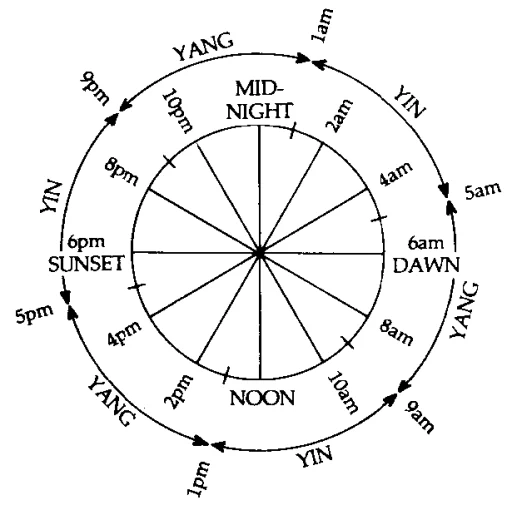
    If you dream or have nightmares, or if you awaken during the night, then it is very likely that you will find that it is between 1 a.m. and 5 a.m.; so, it is vital to get as much sleep as possible before 1 a.m. for good health and complete relaxation and thereby ensuring that your body gets the maximum benefit from the rest.

    Vitality

    In China it has been known for thousands of years that the
    organs, blood, mind, spirit, body, our psychic spheres, and our energies, indeed, all living things in the universe move through regular cycles of minimum and maximum activity. The annual cycle is as follows:
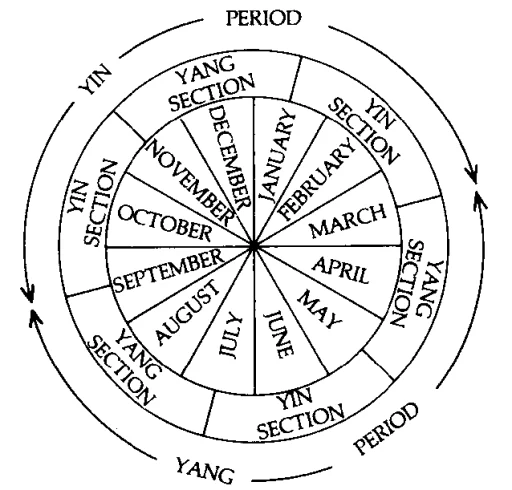
    So everyone is at their lowest ebb in December, and at maximum vitality in June, but individuals vary slightly depending on when they were born, but such variation will not exceed three weeks. There are also monthly and daily vitality cycles.
    The following diagram shows the times of the day at which the principal organs of the body are at their peak condition. These times are calculated with reference to the “lines of meridian” of the human body, and which are used in most Chinese healing
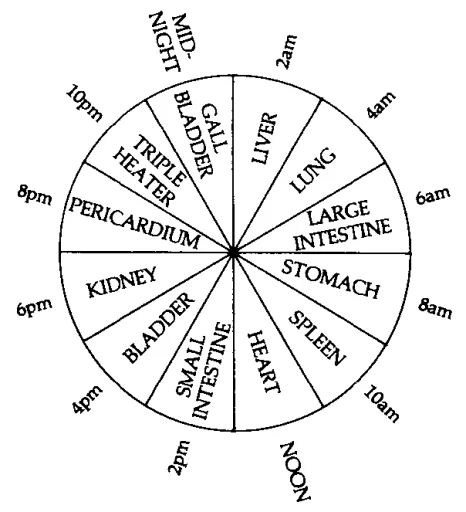
    arts such as the Eight Strands of the Brocade, which includes spot pressing, vibration healing, Ch’i healing, Li healing, push and pull massage, sound healing, as well as being used extensively in acupuncture.
    So if you have heart trouble get to bed before 11 p.m., and if you have lung trouble don’t do anything really active between 3 and 5 p.m.

    Relaxation

    If you live the Ch’ang Ming way you will not feel tired or fatigued, and thus will be unlikely to fall ill, for tiredness is one of the basic causes of illness. However, if you feel at all tense at anytime, sit quietly, with your back upright (do not slump down in an armchair!), and relax your mind and your whole body. Close your eyes if this helps, and try to erase the sounds that come into your ears and mind. Try a few deep breathing exercises, such as the ‘Tin breath”, described in Chapter 5. This will help you to relax and at the same time will increase the oxygen in your bloodstream.
    Tensions can also be reduced by taking a shower or bath before practising K’ai Men, and you will benefit too by taking one afterwards. If your eyes are heavy or you have a slight head­ache, lie on the floor, with your tongue in the roof of the mouth, and breathe deeply through the lower abdomen (Tan T’ien). At the same time place your right hand on your eyes between your two eyebrows, making sure that the palm of your hand is in complete contact with your skin and eyelids, and with your left hand gently press on the floor with your fingertips, in a rhythm very similar to your own pulse. Do this for about one minute and you will be surprised how wonderful you feel afterwards.

    Food

    The advantages of eating the Ch’ang Ming way have already been emphasized (see Chapter 4). Try it for six months, and you will be surprised how fit and alive you feel, how well you look, and in what good condition your skin is.
    However, it is advisable never to eat just before practice, and after a very heavy meal you must allow at least three to four hours to go by before you attempt the exercises of K’ai Men. When you do eat, always chew each mouthful fifty to a hundred times, so that it turns to water before swallowing. This will ensure that you do not overload the stomach and that you never suffer from indigestion and ulcers.

    Time and Place of Practice

    You can practise anywhere at any time of the day, but the ideal times are one hour after sunrise and one hour before sunset. Because of work commitments, however, you may find it best to practise in the evenings; but do try to practise at a regular time. K’ai Men exercises are such that you can do just a few at a time, so a practice session need last no longer than fifteen to twenty minutes.
    Whenever you practise, make sure that the room in which you do so is clean and airy, without any draughts, and that the atmosphere is not cold or damp. You can even practise on bare floorboards, providing that the floor is even, so that when you lie on your back your spinal column is not rubbing against a knot in the woodwork. The ideal place to practise is on a carpet in a room with one window open.

    Clothing

    This should be loose, so that you can bend and turn your body without the slightest restriction. The best clothing to wear for K’ai Men practice was developed in China over 5,000 years ago, and is ideal for all callisthenics, no matter how strenuous the movements may be.

    Breathing

    This has already been covered in detail in Chapter 5. Suffice it to say here that deep breathing is essential.
    In addition, learn to savour the golden nectar of your own body by keeping your tongue in the roof of your mouth all the time. As your mouth fills up with saliva, gently lift the chin, and swallow smoothly at one go. Get in the habit of doing this and you will be surprised at how beneficial it is.

    Mind

    In everything that you try to do, concentrate fully at all times and learn to feel everything that goes on inside your own body. Learn also to concentrate on things and people around you.
    Through concentration, and attention to even the smallest thing that happens, you will eventually learn to see the Tao all around you constantly, and you will begin to see and appreciate the path of your life.
    This concentration will not only help you to strengthen your mind, and improve your memory, but also give you a very peaceful and tranquil outlook, because concentration will stop you worrying unnecessarily about incidentals.
    The mental processes affect the emotions, and thus conscious control of the mind and its thoughts will induce a feeling of calmness, to the benefit of your mental and physical health and even of your subconscious mind, which will thereby become more relaxed. This in turn will see that you dream less and sleep more deeply. Concentration of your mental faculties will not only give you added inner power, but also give you an inner peace, which you may find remarkable.
    In addition to all this, you will find your memory will get better and better, which it should do, for memory is based on experience in time, and as you get older your experience is greater, and therefore your memory should increase with your years.

    Bowels

    Ensure that you empty the bowels and the bladder before you start your K’ai Men practice, because inner cleanliness is absolutely vital to your good health, and if you retain such waste matter within your system you may find that when you practise some of the exercises you feel restricted, which in turn could create a certain amount of tension. In addition, the effect of having waste matter in the body for long periods will be to reduce the purity of the blood, causing headaches and sluggish­ness.
    Make sure that you go to the toilet regularly and try to cultivate a habit of going first thing each morning. This will clear the toxic matters that have accumulated in the body during the period you have been asleep.

    Menstruation

    During menstruation it is best not to practise exercises in which the legs have to be in the air, or in which the body is bent
    forwards. Exercises in which the body is kept upright are best at such times.

    Menopause

    For most women the menopause is a difficult time, marked by nervousness and periods of depression. Ch’ang Ming and dedicated practice of K’ai Men are the best answers, since they keep the body healthy and the mind calm and relaxed, so that the change is scarcely apparent and is easily accepted.

    Exercising

    K’ai Men can be practised by anyone who will take the very little trouble required to do so. We suggest that, if you are a beginner and have never done physical exercises before, for the first month of practice you should keep to just the sequences of each exercise, practising regularly every day. The body will then become soft and relaxed, and you will be able to progress to the extensions of the exercises.

    Happiness

    The man of the Tao is free from anger, hate, fear, and worry at all times, and if you live the Ch’ang Ming way as well then illness and suffering will not exist for you. You will be happy and pleasant all the time, and your appearance, your behaviour and your manners will radiate this happiness, pleasure, and relaxed air that you will have about you all the time. It will catch on, and others may ask you for the secret. When you tell them that it is no secret, but the natural way of life, and that you now recognize your predestined path, they will either want to join you in this knowledge, or secretly laugh behind your back. If they want to laugh, let them, for they are the ones losing out, not you, for you have attained an understanding of life and of nature, and of the universe that will be the envy of everyone. Do, however, try to pass on your understanding to others, so that all may benefit by the wonderful work of the Supreme Spirit.


    We exist in this world with many, so let us try to help many on the way.
  • Club discount

    Club discount

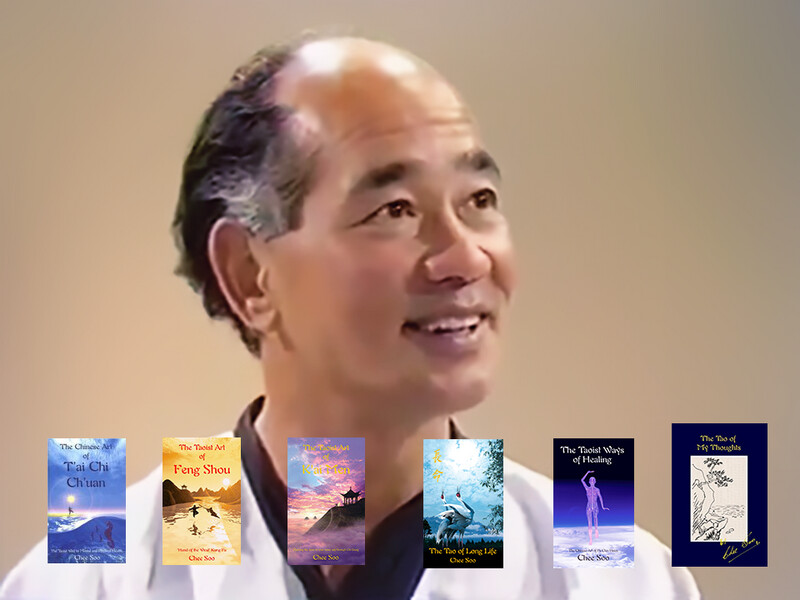
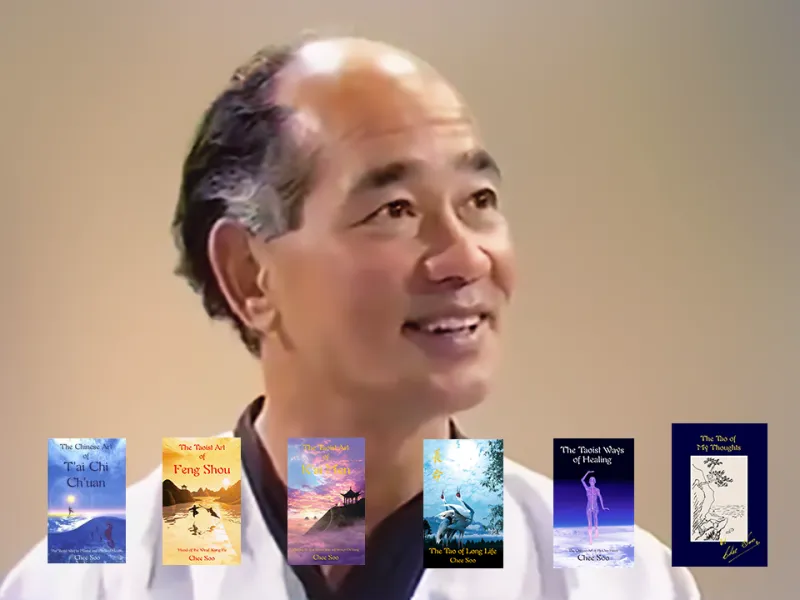
    Why Chee Soo’s Books Are Essential for your students

    Master Chee Soo’s books serve as indispensable training guides for anyone dedicated to Lee style Tai Chi, Feng Shou Kung Fu, Anmo, Chinese Medicine, and Taoism. These works are a must-read for your students, as they offer foundational knowledge directly from Chee Soo, saving you countless hours of explanation. They also add credibility to your teaching, allowing students to recognize their place within a Taoist tradition that stretches back to ancient times.

    A Link to Authentic Taoist Tradition

    Chee Soo’s books offer direct access to the Lee family Taoist Arts, providing deep insights into Tai Chi, Kung Fu, Qigong, and Taoist philosophy. Studying these texts connects you with centuries of wisdom, offering more than just physical techniques—his teachings explore context, balance, energy, and spiritual principles.

    Clear, Simple Instruction

    Chee Soo had a unique ability to break down complex ideas into easy-to-understand steps. His writing is straightforward and accessible, making it ideal for both beginners and experienced practitioners who want to refine their understanding of the Taoist Arts.

    Practical Manuals for Training

    These books are designed for hands-on practice, offering step-by-step guidance on Tai Chi forms, Kung Fu techniques, and Qigong exercises. Whether you’re practising alone or supplementing lessons, his instructions help refine your technique and deepen your knowledge.

    Each book has been meticulously reproduced from the original text, ensuring authenticity. They are securely bound, not merely glued, and printed on high-quality, bright white, acid-free paper. The laminated covers are designed for durability, making these books ideal for daily use as long-lasting training manuals.

    Ahead of His Time

    Chee Soo’s focus on qi, the mind-body connection, and the integration of martial arts with health practices anticipated modern wellness trends. His books blend martial training with holistic principles, making them highly relevant today.

    A Lifelong Resource

    As you progress, Chee Soo’s books continue to offer new insights. They grow with you, revealing deeper meaning as your skills evolve, serving as an enduring companion on your Taoist journey.

    Filters

    Filters


  • Slow food

    Slow food

    Origins and Principles: From Ancient Tao to Modern Tables

    When I first started on the Chang Ming diet, one principle I tried early on was chewing every mouthful of food 50-100 times. This principle is sometimes called “drink your food and eat your drinks” because every mouthful turns to water if you chew it enough. This also stimulates the production of saliva, which is the first stage in the digestion process, and also stimulates the digestive process further down the line by preparing the stomach and intestines for what is to come. Another surprise was using chopsticks, and I noticed early on that I was often the last one to finish; chopsticks make eating more difficult but also slow the process down and involve more focus on the actual act of eating. Chee Soo pointed out that there are no teeth in your stomach, and since I have learned much more about the principles of Taoist Chinese medicine, I have come to understand how important it is to take time to eat. This means taking time to prepare a meal properly, which not only means cooking according to Chang Ming’s principle to preserve the nutritional content of the food but also making sure it is presented properly to stimulate the taste buds and aid digestion. I learned this in my student days working in a restaurant kitchen to supplement my income between term times. Fast food may be more convenient in the short term, but we have to consider the trade-off is loss of quality and how the result is obesity or, conversely, malnutrition. We do not consider an obese person as being undernourished, but what we are seeing is an overemphasis on certain types of food, which tends to lead to a lack of essential minerals and vitamins, fibre, and other holistic aspects in our diet. Consequently, the body must suffer.

    The Slow Food movement, born in Italy in the late 20th century, and the Ch’ang Ming diet, rooted in ancient Taoist principles, both champion the return to a diet that emphasizes natural, locally sourced foods. While Slow Food emerged as a response to the fast food culture, advocating for good, clean, and fair food, Ch’ang Ming draws from the Taoist diet practised for centuries in China. Chang Ming focuses on natural foods long before the advent of fast food and chemical additives and is deeply intertwined with ancient Taoist Chinese medicine principles. When Chan Lee came to London from China in the 1930s, he used his knowledge of herbalism to adapt the Chang Ming diet to the local diet in Britain. This is an important principle to understand correctly: The diet varies depending on the locality, so it does not necessarily mean eating or avoiding certain foods. What is appropriate to a tropical country may not be so good for a cold northern European climate; the same goes for eating food in or out of season. If we are not aware of the origins of our food we risk tricking our body into thinking it is summer when it is winter or vice versa, the consequence of this can lead to illness when our body fails to respond properly to the environment. This is a basic principle in Chinese Medicine.

    Ch’ang Ming is not an elitist or culinary-based diet but is grounded in the wholesome foods of common people, reflecting the Taoist belief in living harmoniously with nature. Both movements are committed to sustainability, health, and preserving culinary traditions. They encourage a thoughtful approach to eating, emphasizing the importance of consuming foods that are beneficial to personal health but also to the health of the planet. By advocating for organic, pesticide-free produce and ethically sourced meats, these movements align with the Taoist philosophy of balance and harmony, fostering a deep connection between individuals and their food sources.

    Global Impact and Health Benefits: Nourishing Body and Community

    The Slow Food movement and the Ch’ang Ming diet share a transformative power, extending their influence far beyond their origins to inspire a global community. Both advocate for practices that nourish the body and fortify the bond between people and the planet. This synergy between ancient wisdom and modern advocacy has heralded a resurgence in the appreciation for traditional foodways, underscored by a commitment to environmental stewardship and health.

    Health benefits are central to both philosophies, advocating diets rich in organic, unprocessed foods. This approach supports physical well-being, with reduced risks of chronic diseases and mental health, promoting a balanced lifestyle in tune with natural rhythms. The emphasis on whole, nutrient-dense foods, minimally processed and free from artificial additives, aligns with contemporary nutritional science and ancient Taoist insights, offering a path to longevity and vitality.

    As these movements gain traction, they underscore a critical re-evaluation of global food systems, championing sustainable agriculture and ethical food production. The ripple effect is evident in the growing demand for local, sustainably produced food, encouraging a shift towards practices that reduce environmental impact and promote biodiversity.

    This global narrative interweaves the personal and communal, highlighting how individual choices can collectively foster a healthier, more sustainable world. Through education and advocacy, Slow Food and Ch’ang Ming illuminate the path towards a future where food is a source of sustenance and a catalyst for healing and connection.

    Economic, Social, and Environmental Dimensions: A Holistic Approach

    Integrating Slow Food and Ch’ang Ming principles into our daily lives presents a multifaceted approach to food that transcends mere consumption. Economically, these movements champion the cause of small-scale producers, injecting vitality into local economies and encouraging consumers to invest in their communities. This ethos nurtures a market for foods that are both good in quality and ethically produced, supporting fair trade and equitable compensation for farmers and artisans.

    Socially, Slow Food and Ch’ang Ming act as catalysts for community engagement, bringing people together through shared meals and food-related events. These gatherings become a celebration of cultural heritage, fostering a sense of belonging and mutual respect among diverse groups. The communal aspect of food preparation and consumption, deeply rooted in Taoist principles, encourages a mindful appreciation of the sources of our sustenance and the labour that brings it to our tables.

    Environmentally, the emphasis on sustainable, organic farming practices and local sourcing reduces the carbon footprint associated with food transport and production. By advocating for biodiversity and preserving heirloom varieties of plants and animals, these movements contribute to the health of our planet. The principles of Slow Food and Ch’ang Ming thus reflect a deep ecological consciousness, recognising the interdependence of human and environmental health.

    This holistic approach embodies a profound respect for the natural world, aligning with Taoist teachings of living in harmony with nature. It offers a blueprint for a sustainable future, where food is a bridge between cultures, generations, and ecosystems, healing both the earth and its inhabitants.

    Challenges, Criticisms, and Practical Applications: Real-world Insights

    Addressing the challenges and criticisms faced by both Slow Food and Ch’ang Ming, affordability and accessibility are significant concerns. Despite these hurdles, both movements offer actionable advice for individuals looking to incorporate their principles into daily life.

    Prioritising seasonal and locally available produce can reduce costs and support local economies. Engaging in community-supported agriculture (CSA) schemes or frequenting farmers’ markets are practical ways to access fresh, ethically produced food. Reducing meat consumption and focusing on plant-based meals can also align with health and environmental goals.

    Furthermore, cooking from scratch, while time-consuming, fosters a deeper connection with food and can be more economical and healthier than relying on processed alternatives. Planning meals and reducing food waste are additional steps that resonate with the ethos of both movements, emphasising respect for the resources we consume.

    These strategies demystify adopting a more sustainable and health-conscious approach to eating, showcasing that meaningful change can start with simple, everyday choices.

    Future Outlook and Convergence: The Path Forward

    Looking ahead, the convergence of Slow Food and Ch’ang Ming with the broader sustainability and health movements indicates a promising direction for the future of food culture. The increasing public interest in where and how food is produced suggests a shift towards more conscious consumption patterns that could profoundly impact global food systems.

    Technological advancements and innovative farming techniques offer new opportunities for making sustainable and healthful food more accessible to a wider audience. Urban farming and vertical and community gardens are examples of how cities can embrace biodiversity and local production principles, even in densely populated areas.

    Educational initiatives and digital platforms play crucial roles in spreading the message of Slow Food and Ch’ang Ming, empowering individuals with the knowledge to make informed food choices. As these movements evolve, their integration into policy and public discourse could pave the way for a more equitable and sustainable food landscape.

    The journey towards a holistic approach to eating, grounded in the wisdom of the past and the present innovations, invites a reimagining of our relationship with food. It’s a path that promises enhanced personal and planetary health and a deeper sense of community and connectedness at the global table.

    In crafting this exploration of Slow Food and Ch’ang Ming, we’ve woven a narrative highlighting the importance of sustainable, ethical, and health-conscious food choices and inviting readers to consider their relationship with food holistically. This journey into the heart of two movements that span cultures and centuries reminds us of the power of collective action and individual choice in shaping a future where respect for the earth and each other is paramount. As we look forward, let’s embrace the wisdom of the past and the innovation of the present to nourish our bodies, our communities, and the planet we call home.

    Read more…
    https://www.slowfood.com/about-us/

    Chang Ming Taoist Diet

  • Online Tai Chi

    Online Tai Chi

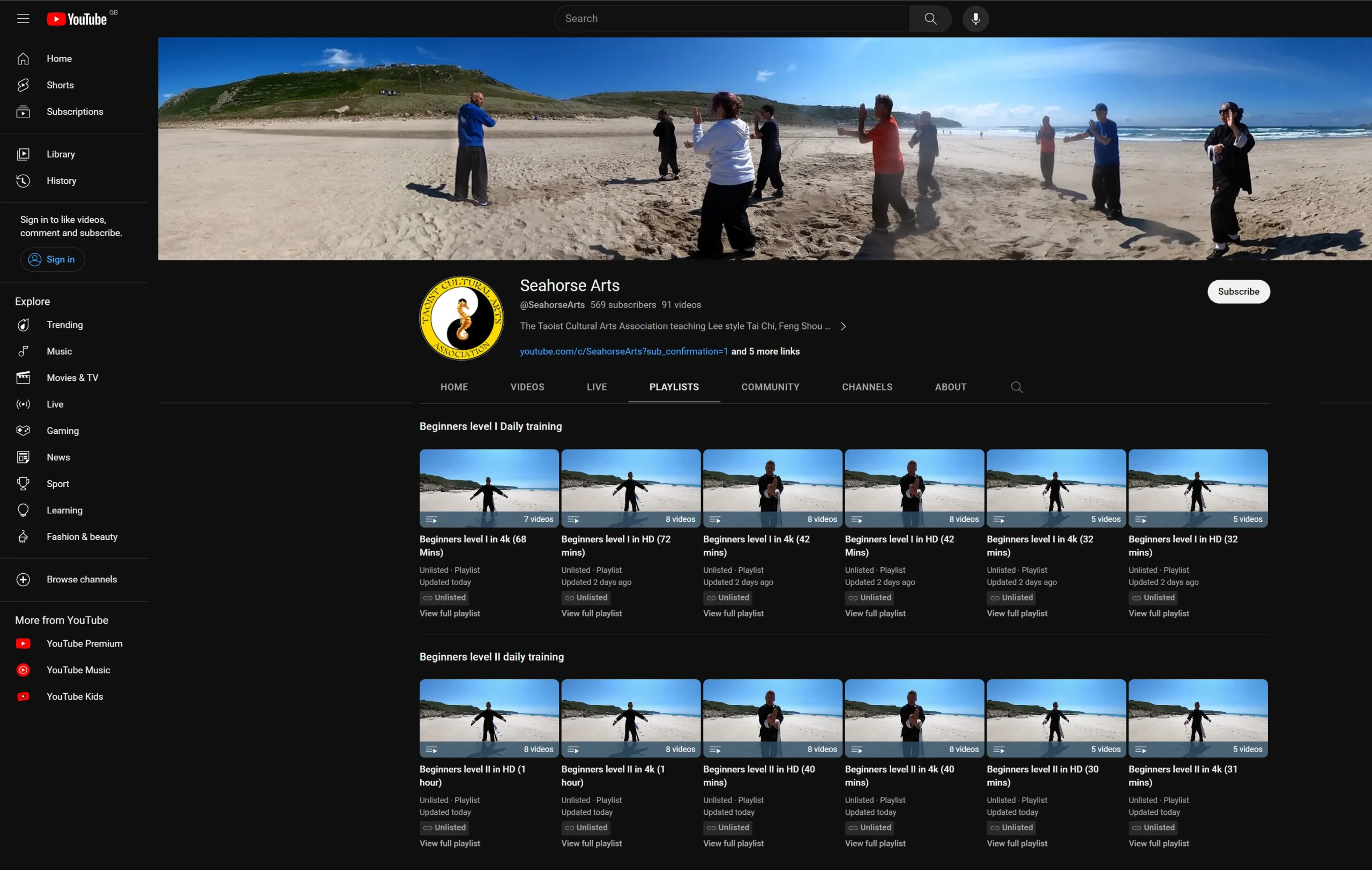
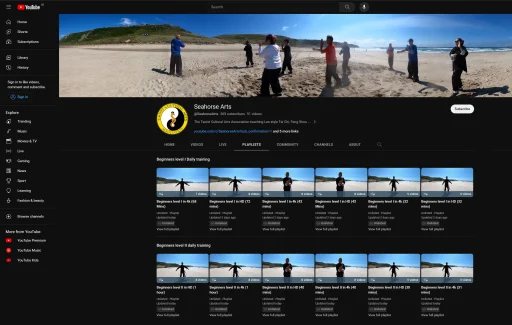
    In collaboration with the Taoist Cultural Arts Association we are offering daily Tai Chi lessons through a series of YouTube playlists you can use to learn Tai Chi and Kai Men Qigong. They are free to use all we ask in return is that you subscribe to our YouTube channel,

    🌟 Unlock a World of Wellness with Our Online Tai Chi Lessons! 🌟

    Hello there, potential Tai Chi enthusiast!

    Are you ready to embark on a journey that will not only boost your physical flexibility and stamina but also enhance your mental prowess and uplift your overall mood and sense of purpose in life? Picture yourself waking up each day with a vibrant new hue, a sense of clarity, and a warm, invigorating energy flowing through every fibre of your being. This is the magic that awaits you when you join our daily training YouTube Playlists!

    🌿 Explore Your Tai Chi Journey with Us:

    • Beginners’ Level I and II Video Playlists: Whether you’re just starting out or have some experience, we’ve got the perfect playlists to suit your needs.
    • Immersive 4K 360° Videos: Get a truly unique perspective as you explore Tai Chi from different angles.
    • HD Videos: Perfect for those with limited bandwidth.
    • Short 30-Minute Playlists: Ideal for a quick practice session when you’re on a tight schedule.
    • 45 and 60-Minute Playlists: Dive deep into Tai Chi with comprehensive sessions, including:
      • Warming Up: Get loosened up and ready to flow.
      • Daoyin Deep Breathing: Activate your Dantian, your primary energy center.
      • Kai Men Qigong: Open the channels for smooth energy flow.
      • Tai Chi Dance Loops: Explore the graceful movements of Lee style Tai Chi.
      • Tai Chi Form: Meditative sequences to calm your mind.
      • Five Lotus Blossoms Qi Cutoff Exercise: Finish your practice by returning your energy to its source.

    Don’t miss out on our latest uploads – make sure to subscribe to our YouTube channel for notifications!

    🌼 Awaken Your Qi:

    Just like the Lotus flower opens with the rising of the sun, your energy can awaken daily through our program of Qigong and Tai Chi exercises. We believe that Qi flows best when the body is relaxed, so we start by helping you loosen up and then guide you through a deep breathing exercise to activate your Dantian, your primary energy center located in your lower abdomen.

    Opening the Door:

    Next, we’ll introduce you to Kai Men, the “opening of the door” stage, which activates your meridians, allowing energy to flow freely. Following this, you’ll experience the beauty of the Tai Chi dance, a flowing movement form. Finally, we’ll take you on a meditative journey with the Tai Chi form.

    Return to the Source:

    As our session nears its end, we’ll bring your energy back to the centre with another deep breathing exercise, the Five Lotus Blossoms, ensuring it’s stored and ready for whenever you need it.

    🌟 Build Your Qi Daily:

    Are you ready to unlock the hidden potential within you? Discover the transformative power of Tai Chi and Qigong exercises and watch your life take on a vibrant new hue. Experience a journey of growth, both physical and mental, and cultivate an enduring wellspring of energy that will brighten every day.

    The essence of Taoist energy training methods is now within your reach. Don’t wait any longer – start your transformation today and take it to the next level. Join our online Tai Chi lessons and make each day a celebration of vitality, balance, and inner harmony!

    Subscribe now, and let’s embark on this incredible journey together! 🌞🌿💫


  • BBC Radio Interview

    BBC Radio Interview

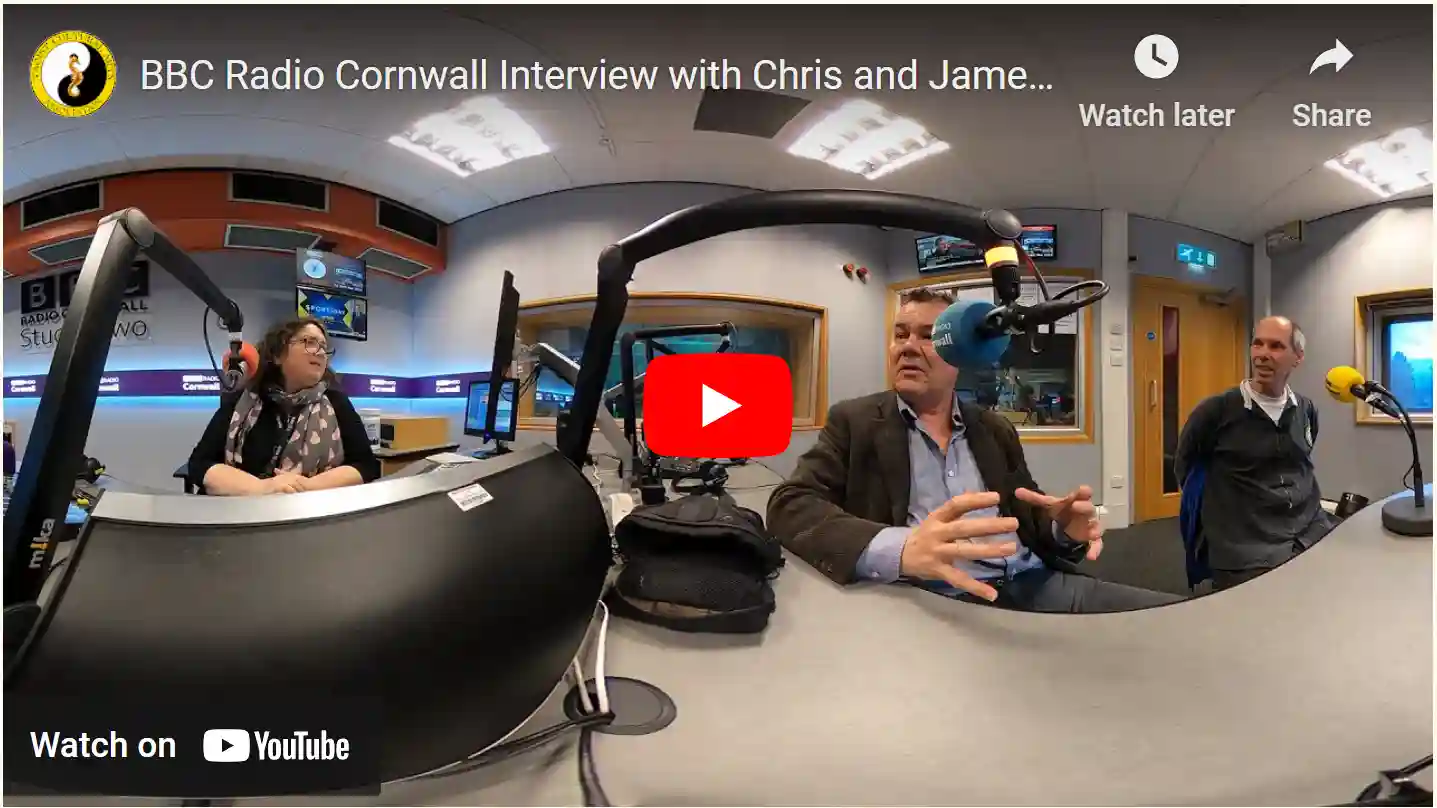
    Chris and James from Cornwall Tai Chi talking on the BBC

    Chris learned Tai Chi with Chee Soo in Leamington and Coventry and had a class at Warwick University.

    James took up Tai Chi after a serious road accident and now has his own class in his home town of St Agnes in Cornwall.

  • The Path of Kai Men

    The Path of Kai Men

    Physical Energy

    The physical energy of your body is utilized through the muscles and tissues of your anatomy, so that, when, for instance, you lift something, these automatically come into effect. In K’ai Men we call these “muscle changes” and it is through muscle changes within the body that the exercises of K’ai Men are most effective. Through the muscles of the body we begin to open up the channels that are necessary steps towards opening every door within us. Good eating and drinking habits help towards this by making the tissue of the body more flexible, and, whilst you slowly grow older in years, they still remain young in their texture. Revitalizing the body comes not only through our daily eating habits but also by specialized and constant deep breathing exercises, which not only help the normal channels to attain added vigour, but also assist the psychic channels of the body to be opened and strengthened.
    In addition to the muscular system, we also have within us an intricate system of blood vessels, which takes the goodness to every part of the body. It is aided by a complex nervous system. Whilst being separate in their specialized fields they all operate as one within the human frame. In addition to sensible eating and drinking habits, to make the body even healthier, to gain vitality, and to assist in the cleansing of the whole system, it is essential to have an adequate supply of oxygen. So deep breathing constantly is also a must for the purification and energizing of the body.

    Mental Energy

    To enable the mind to be the constant link with the spirit, passing messages back and forwards, to have it in constant control of every thought, every emotion, every sense, and every action of the body and limbs, no matter how minute that movement might be, you will readily understand that it requires enormous energy. It is when the mind becomes depleted of vitality and energy that you begin to feel listless and tired. Concentration itself burns up terrific amounts of energy, so, if you seriously want to meditate, ensure that your body has the energy and vitalities within it to be able to feed the mind in accordance with all its needs and requirements. Good and proper eating and drinking habits, coupled with constant and regular deep breathing every minute of your life, are therefore a must.

    Internal Energy

    Apart from the physical and mental energies of the body, we have what is commonly known as “internal energy” ( Nèi zhōng qì 内中气) or, more technically, as “intrinsic energy” (Tiānrán nénglì 天然能力), but most people who practise the Chinese arts call it the “vitality power” (Shēngqì 生气). One of the objectives of all those who practice the Chinese arts is to arouse, cultivate, develop and control its dynamic force. There is nothing mysterious about it, for it is the natural energy of the body, and everyone is born with it. You see this power come into action when, for instance, a little baby grips your finger. It has not had time to develop any muscles, yet it will grip your finger so tightly that you may wonder how it could do so. Unfortunately, when you reach five or six years of age you begin using your physical strength so much that your internal energy or vitality power becomes almost dormant, and you use very little of it as you grow older.
    This natural power of your body enables you to do your everyday work without the use of physical strength, and without running yourself down and becoming tired and listless. Have you noticed how weary and run down you seem to get round about October and November of each year? This is because you have just entered a Yin period of the year, which always affects the muscles, tissues and bones of the body. If you rely too much on the physical side of your body to do your daily work, you will certainly feel the strain.
    Internal energy helps to revitalize the various functional, control and psychic centres within the body so that they not only become more supple and flexible, but also become more receptive. In addition to this, it enables you to meditate much more strongly, because the mind has an unlimited source of energy that it can call upon at any time, whenever it requires it. This energy is built up through many various breathing exercises. All of these have specific jobs to do, but their main task is to heat up the Lower Stove or Cauldron (Xià lú 下炉) or Golden Stove (Jīn lú 金炉), as it is referred to in Taoism, which lies in a position about thirty-four millimetres below the navel. The heat so generated creates and activates the vitality force.


    The benefit that the body derives from this power is beyond normal appreciation and comprehension, but in its own way it fights bacteria within the body and your body health improves enormously, so that colds and influenza, along with other complaints, become things of the past. Most Westerners, however, if confronted by a demonstration of the dynamic power of internal energy, would rather explain it away as hypnotism, or whatever, than believe the evidence of their eyes.
    This vitality power is so powerful that with the use of it almost everything is possible: a woman might withstand forty or fifty men pushing against one of her hands. Besides improving the health of the human body, and one’s physical powers, this vitality power helps the lift-off of your spirit when you die, and, if you desire to meditate whether internally (mentally) or externally (spiritually), this internal power will enable you to transmit or transport to the furthermost paths of the spiritual world. Without this energy, meditation will be a failure. Many people have traveled the whole world trying to seriously meditate, yet so many come back to the point from where they started disillusioned and disappointed — only to find that what they were looking for was within themselves all the time, and that they need not have taken a single step outside their door to find it.

    Macro-cosmic Energy

    The other source of energy that is vital to our own personal lives is “macro-cosmic energy” (Jīng shēng lì 精生力), which was a part of your life before you left your mother’s womb. This energy comes down from the heavens, passes through all Yang things, with a centripetal circular motion, and enters the earth, where it gathers further vitality. It then returns to heaven, passing through all Yin things, with a centrifugal circular action. The general movement of the energy is thus as follows:

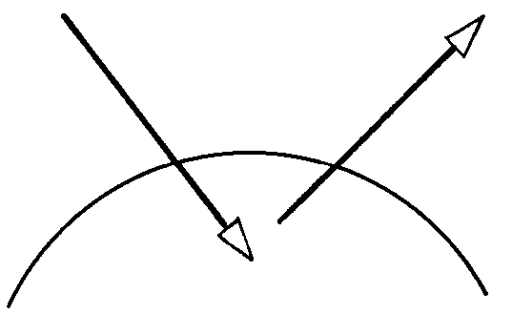
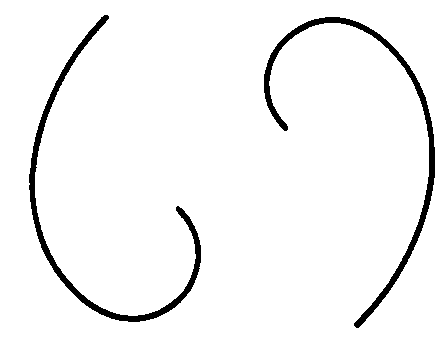
    In passing through Yang things on its way to earth, it passes through man — down his spine and out from his abdomen. Conversely, in passing through Yin things on its way back to heaven, it passes through woman — up her spine, round the head and out through the mouth. The two directions may be represented as follows:

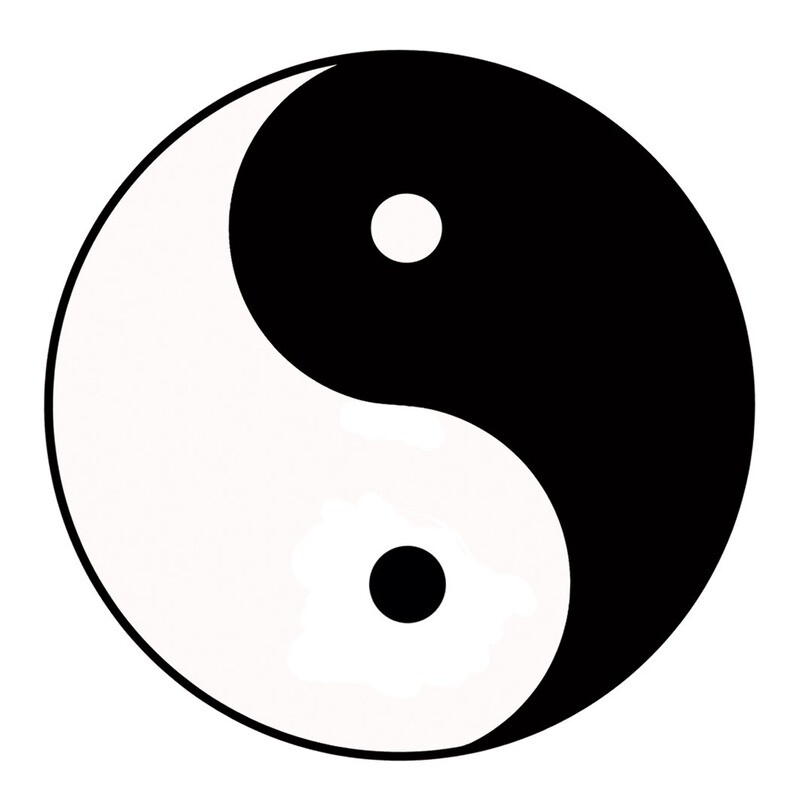
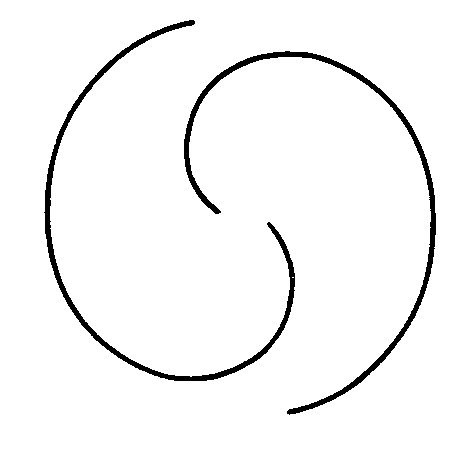
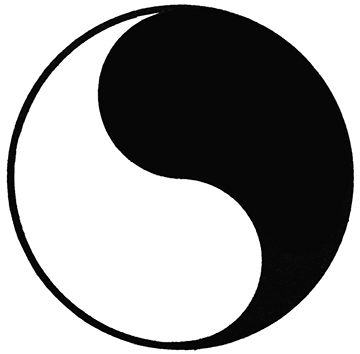
    If you put the two together, the result is the famous Yin and Yang symbol of China, representing the unity and duality, the Dual Monism, of all things.

    From

    The Taoist Art of Kai Men

    by Chee Soo

  • The Principles of the Supreme Ultimate

    The Principles of the Supreme Ultimate

    Why should this beautiful sequence of movements be known as the ‘Supreme Ultimate’ (Tàijí 太极)? Does it mean that we have to achieve absolute perfection in every movement that we execute, or does it mean that we are aiming for an ultimate goal in everything which is a true component of this wonderful art?
    There are thousands of people in the West who have gained great benefit from the practise of Tai Chi Chuan, and there are many more who are seriously interested in learning. Unfortunately many of these people learn only the physical aspect of the form, and therefore gain very little from it. Many of them spend a great deal of time in practice, yet without discovering the full depth and potential of the art, all their work is doing no more than scratching the surface. Even their physical progress is limited, because the most important depths of their physical selves remain unused and undiscovered.

    The majority of T’ai Chi schools teach only the physical side of the whole art. They sincerely believe that they are progressing by just learning the stances, but inwardly they are often doing more harm than good, because by remaining on a physical level they never express their complete selves, and in so doing retard their own progress in the wholeness of life.

    This is a shame, for after setting themselves to learn the art over a long period of time, practising for many hours and showing great interest and dedication, their efforts have often been completely wasted. They have not progressed at all on the physical level, and have never learned the other dynamic aspects of this wonderful art.

    The truth is that there are five complete sections in the complete training of Tai Chi Chuan, so every student should ensure that they train under the supervision of a fully qualified teacher who can not only teach these five sections but can also demonstrate them. Then and only then will the student gain maximum benefit from this art in every respect, have a complete understanding of its true depth, and develop an awareness which they had not previously known existed.
    The Lee style is taught through the auspices of the Taoist Cultural Arts Association, who are ensuring that the Taoist Arts, which were maintained and developed by the Lee family, will always remain exactly as they wanted them to be. The Association also ensures that this great depth of knowledge will only be taught by teachers who have qualified, practised, and been taught within the Association.
    Let us now look at the five sections of Tai Chi Chuan as taught by the Taoist Cultural Arts Association.

    The Mental

    From the very beginning of your physical practise you will find that you become more mentally active, and a great deal of concentration is required to obtain the perfection you are aiming for and your teacher expects. You have to harmonize your stance on both left and right legs, attain the correct angle of your whole body, top and bottom and right and left. Then there are all the variations in your hands and arms, which can move in totally different directions, create their own characteristics, and move at varying speeds. All this is created by the mind, and must all be controlled from the mental source. A simple act of emptying the mind, as some try to do in meditation, actually fills it, so that it becomes more active than ever.
    Dynamic mental control can create a tranquil mind without its being empty. It can utilize power without the use of strength, cause heaviness without weight, create length from shortness and speed from slowness.
    All these aspects of mental control are practised continuously in all our Taoist arts classes. Perhaps one day you too will be able to execute every movement of T’ai Chi Ch’uan by remaining absolutely stationary and immobile. When you reach this very advanced stage, you can go one step further by practising the various aspects of the Taoist Wand (Taoist Mokun), which is the advanced control of energies by the mind.

    Breathing

    Most people breathe in and out every minute of every day and never give it a second thought, unless they have some sort of respiration problem. Yet the Taoists of ancient China created over fifty different specialized breathing exercises, all of which are incorporated into our arts in a special section called Hūxī yīzhì 呼吸医治 (Taoist Respiration Therapy). Amongst them are many special breathing techniques which also incorporate specific physical exercises, purposely designed to assist in the cure of many different illnesses connected to specific organs of the body.
    In addition to these, there are other very special breathing exercises that help to activate or sedate the natural energy (Sheng Chi) of the body, and these exercises are an integral part of our training.
    It is important for a beginner to take things easy at the beginning of their training. Very few people have learnt to breathe fully, so their bodies are not used to dealing with a large amount of oxygen. Even fewer people have learned to breathe deeply in the lower abdomen (Tan Tien). Thus in the early stages of learning the form let your breathing be as natural as possible, then slowly your teacher will help you to co-ordinate your breathing with your movements and your mind.
    If your breathing remains natural, then slowly through your training you will be able to let it sink lower and lower until it eventually reaches the lower abdomen. Your early training will also assist in this matter, because through correct stances with relaxed bodies and relaxed movements, breathing will naturally sink lower. Once breathing into the lower abdomen becomes natural and automatic, the energy of the body (Sheng Chi) will be enhanced.

    Shēngqì 生气

    The development of natural energy is dependent on eating and drinking the Chang Ming way, so that the tissues of the body become more supple and flexible, thereby helping the body to accept really deep breathing. Really deep breathing should take place in the lower abdomen, because this is where there are two energy centres, one of which is where the Qi develops and stores itself. As coal is the fuel of a fire, so breath is the fuel of the natural energy of the body. Respiration exercises are thus a natural part of Qi development. Shēngqì 生气 (Vitality Power) was also called ‘Internal Energy’ (Nèi bù qì 内埔气) or ‘Intrinsic Energy’ (Tiānrán nénglì 天然能力), and it is the energy that everyone who practises our Taoist arts strives to cultivate.


    A strong Qi helps everyone to attain permanent good health. In our Taoist arts we learn to use it whilst practising our form of T’ai Chi Ch’uan, and learn also how we use it in every part of our lives, whether at work or at play.
    Its force is colossal and far greater than brute strength can ever be, enabling anybody — man or woman — to have the power of five people. The amazing thing about it is that you were born with it, and you possess it all your lives. Its benefit to your health is beyond the understanding of the average person, but it helps to fight germs and bacteria within the human body, and a truly strong Chi will improve your health to such a degree that colds and influenza are never experienced.


    The Qi is invisible, it has no aroma, and you cannot hear it, yet it is an integral part of your body and it influences your daily life. It is substantial and insubstantial; it is unyielding yet pliability itself; it is soft and gentle yet it can be as hard as steel; it is weightless yet it cannot be lifted. Our arts teach us to know what it is, and where it is stored and generated, and how we can cultivate, utilize and control it. When your health is really good and you have practised our arts for some time, then you will be able to feel the flow of your own Qi through your body.
    Like mental energy, Shēngqì depends for its strength and regeneration on the personal good health of the person, constant deep breathing, and relaxation. That is why Tai Chi Ch’uan is good for the health in so many different ways. We must be able to store energy before we can use it, and we must learn to conserve our vitality before we can achieve good health.


    Most people in the West, particularly those who live or work in cities, find it very difficult to relax, and require additional aids to help them to do so. The Taoist art of Tai Chi Chuan has the answer. Besides the specialized warming up exercises which all our classes commence with, there are also a number of simple breathing exercises that help to develop this vital energy.


    Here is a simple breathing exercise that you might like to try. Begin by sitting on a chair or, preferably, cross-legged (your left leg outside your right) on the floor, freeing your body and mind from outside influences and internal tensions. Place your hands flat on your abdomen, and whilst keeping your body fairly upright without stiffness, allow your shoulders to drop as low as they will go. You may notice that your chest will depress slightly, but don’t worry about it, it is quite natural.


    Now take a deep inward breath (Qì xī 气吸) through the nose, but instead of letting the air fill your lungs and chest, allow your breath to sink so that your abdomen swells outward. Then exhale (Hū qì 呼气) through the nose, but as you do so, press your hands firmly against the abdomen, so that you force the stale air out through your nostrils. Repeat this sequence six times daily. Whenever you feel tired and run down, use this breathing exercise. By repeating it regularly, your health will benefit and you will feel better within yourself.


    It takes the average person in the West about six months to a year to begin to feel the vitality power within themselves. Once having learnt to feel this energy, the next step is to direct it from the lower abdomen to any other part of the body through mental control.


    This is known as ‘propelled movement’ (Tuījìn Gǔdòng 推进鼓动), and it is only by obtaining mastery of it that a person can attain true mastery of their own energies.

    Jīng shēng lì 精生力

    This energy is known as ‘macro-cosmic’ or ‘external’ energy. It is the natural energy of the universe, for it comes down from the heavens, passes through everything on this earth, including our own bodies, enters the earth and, after gathering further vitality and power, returns upwards to return from whence it came. It is constantly present and passing through our human bodies, and it can be harnessed, stored, controlled and utilized by everyone, providing they have the mental training to do so.

    By utilizing this dynamic energy, many ancient Chinese philosophers lived from 150 to 200 years of age, and even in this modern era it is possible to have, even at the age of sixty, the skin, body, mentality, energy and vitality of a twenty-year-old. It is not time or the number of years that matter, it is the true health of the individual that eventually shows through. The Taoist will tell you and show you the real truth: keeping fit does not necessarily make you truly healthy, but if you are truly healthy then you are automatically fit.
    On its downward journey Jīng shēng lì passes through all men, down the spine and out through the lower abdomen. This circular action is centripetal in its flow, and this Li energy moves in this way through all Yang things. On its upward path, or return journey from the earth, it passes through everything that is Yin, in a centrifugal motion. In passing through all women it comes up from the ground, along the spine, and out through the head. These two directions are represented as follows:

    When these two directions were placed together by the ancient Taoists, they represented the well-known Yin and Yang symbol:

    Not only did this concept represent Yin and Yang, showing the two sides of everything, but it also expressed the idea that nothing had a beginning nor an end, everything is everlasting. Later, the ancient Taoists added a further permutation, as you will see in the next chapter, which demonstrated their closer appreciation of the work of the Tao.
    A more complex symbolic expression of the workings of the universe is the Eight Trigrams (Bāguà 八卦) which are included in the Book of Changes (Yì jīng 易经), which is one of the most important books in the world, for thousands of years of wisdom and understanding have gone into it. Both Confucianism and Taoism have their roots here, so it is natural that the basic principles of T’ai Chi Ch’uan are derived from it.

    From

    The Chinese Art of T’ai Chi Ch’uan

    by Chee Soo

  • The History of Kung Fu

    The History of Kung Fu

    No one can say exactly when the Chinese arts of self-defence first came into being, but the seeds go back to the very early days of the primitive period, when man first roamed the earth. Before he had even invented a weapon, man had to protect himself with his bare hands against the attacks of his fellow countrymen as well as the wild animals.
    So this man and beast situation existed throughout the primitive world: sooner or later it had to come to be that one or the other species had to assert its overall mastery and supremacy, and it was then that the Chinese really excelled, and laid down the foundations for all humanity to follow. Once they had learnt to master themselves, and anything that threatened their existence, and learnt to organize their family groups, they went on to build the earliest civilizations in that period. The techniques and the knowledge that they used eventually spread way beyond their boundaries and shores, and helped many other people and races in far-off territories.
    Not only did the Chinese excel in all aspects of silk weaving, gunpowder making, painting, building wells and irrigation systems, herbal therapy, and all the other dynamic health arts including Ch’ang Ming, through the great wisdom and knowledge brought to them by the ‘Sons of Reflected Light’, but they were the first nation to put martial arts on a scientific basis. This was because not only did they explore every avenue of physical dexterity and manipulation, but they also used the natural dynamic vitality power of the body (Sheng Ch’i) and the enormous macro-cosmic power of the universe (Ching Sheng Li), and these are still being used by the Chinese through the Taoist Arts, and in Feng Shou which is our particular style of kung fu.
    Kung fu 功夫, means ‘working man’ or ‘man of the fist’ depending on the way it is written in Chinese, and we shall devote ourselves to this, and to the understanding of its origins.
    We know that the fighting styles used by many Oriental countries, including the Japanese Karate and the Korean art of Tae Kwan Do, are adaptions and imitations of the basic forms of various styles of kung fu, taught to the local inhabitants by Chinese immigrants, and which were eventually adapted to suit the needs and attitudes of these lands.
    Some of the various styles that have evolved have changed to such a degree that in many cases they no longer bear the slightest resemblance to the original foundation given by the Chinese, and so it is not surprising that many followers of these newer arts try to forget that they owe their skills to the early Chinese, and overlook the close links that these arts once had. Within China the original kung fu foundations were laid down in the primitive period, as we have already mentioned, but the actual records of the arts only go back some 5,000 years.
    One of the main reasons why there is so little information available on the early days of the martial arts, is because none of the early masters or their pupils kept precise written records of their training programmes or the techniques that they practised. This was due, no doubt, to the fact that this information was not intended for the general public, but only for those pupils who proved themselves worthy of the techniques, skills and the tradition of that particular school or style. So, generally, these were closely-guarded secrets, and were handed down from father to son, master to pupil, and generation to generation.
    When the student also became a master, in his own right, he too would only pass on his skills and knowledge to those he thought would not only be worthy of them, but who would also treasure them as he had done over many, many years. In fact, the knowledge of the art of ‘Feng Shou’ goes back at least 2,000 years, and has been handed down through the Lee family for all this time, and has been passed to us by our late master, Chan Kam Lee. Add the modesty and the humility that are impressed upon every Chinese child, and the philosophy that is inbred in his daily life, and you can perhaps understand why so few records were ever kept.
    Yet despite this, we know that a brilliant doctor called Hua Tuo 華佗 formulated a series of movements coupled with special breathing exercises that were intended to limber up the body, ease the nerves, and generally reduce bodily tensions. We also know that the Taoists formulated many specialized stances and exercises together with many precise breathing formulas in K’ai Men (the Open Door) which is the Taoist Yoga, and in T’ai Chi Ch’uan (the Supreme Ultimate) in their long search for physical alchemy.
    All these have been so successful that they are still in use today, although over the centuries certain modifications have quite naturally taken place. Many of the breathing exercises are practised in the Chinese Health Arts of Pa Chin Hsien (Eight Strands of the Brocade) where they help to effect many cures for a large variety of ailments and sickness. They are also the basic foundation for the development, cultivation, activation, of the Internal Energy (Sheng Ch’i) and the External Energy (Ching Sheng Li).
    According to tradition, after the Taoists and Hua Tuo laid down the early foundations, there came a Buddhist monk called Bodhiharma, who, in 500 AD left his Brahman tribe in southern India and crossed the Himalayas into China. After a long, slow and laborious journey across extremely rugged terrain, he eventually arrived at Chien K’ang, which was then the capital of the Liang province.
    It was well known that the Emperor Wu was a Buddhist with an enthusiastic interest in all Buddhist doctrines. On learning this, Bodhiharma immediately sought an audience with the Emperor, and as a result the monk was given permission to teach and preach in the province.
    So Bodhiharma began spreading the word and the doctrine of Ch’an, which the Japanese later adapted and called Zen. However, at that time it was found that these teachings not only clashed with the beliefs and the philosophy of the Chinese, but they were also found to be so complex that everyone, including the Emperor, found it extremely difficult to grasp even the fundamentals. This therefore created a tremendous amount of friction, frustration, irritation, and eventually such bad feeling towards Bodhiharma that he was dismissed from the Emperor’s service.
    It was then that he decided to travel northwards, although nobody knows why he decided to take that particularly difficult direction. The roads were extremely bad and in some cases almost non-existent, and he spoke very little Chinese so there was also a language problem, made worse by the fact that there would have been many different dialects spoken on this long journey. A greater hazard was the many roaming armed bands of thieves and robbers in the countryside along his chosen route. Small wonder then that it took him more than three years to cross the Yangtse River, and reach his intended destination of the Shaolin Temple at Sung Shan in Henan province.
    He stayed at the Shaolin Temple for nearly ten years, teaching and meditating, and it was during the latter part of his stay that he realized that many of his pupils were not fit enough, either mentally or physically, to endure the physical austerity imposed by his teachings.
    Ch’an Buddhism was based on very deep meditation with its aims being the unification of mind, body and spirit, and there­fore Bodhiharma felt that physical endurance would help to equip his pupils for this objective. He borrowed a number of the Taoist stances and exercises, and hardened them up to create within the practitioners a sense of internal strength, and a feeling of in­separability of mind and spirit within the body. Thus he en­couraged literally throwing yourself within yourself, becoming one single entity with all three parts becoming one, and so achieving constant harmony in the daily toil of life.
    Many of these exercises would not be classed as entirely physical by today’s standards, especially as the feet made no movement at all; even so, they soon earned the Shaolin monks the reputation of being China’s toughest and the most formidable unarmed fighters.
    Strangely enough, though, despite the monastery’s nationwide reputation, Bodhiharma’s pupils gradually dwindled away. This may have been due to the complexity and the severity of his teachings. However, part of his work and the foundation that he laid down still lived on, and to those basic exercises and movements, others were gradually added and further techniques evolved and so kung fu in its earliest form came into being.
    It has been established that Bodhiharma did actually exist during this period, but how much he actually contributed to the art of kung fu, as we know it today, will always remain a controversial subject. But there is no doubt whatsoever, that he did lay the foundation on which are built many of the hard styles and solid defensive systems of the art of the Chinese boxing art of kung fu.
    Another very significant period in the history of this art was the Sung Dynasty (960-1279) which brought about a radical change in Chinese thinking which gradually affected not only kung fu but all the arts. Until this time, the techniques were carried out from very stiff and static stances, in an endeavour to harden and toughen the body which in those days was considered essential to any martial art practitioner, together with synchronized movements and the use of sheer brute muscular strength. Indeed, many martial art schools still teach this style, and the Japanese Karate is based on these same principles.
    But the really important change came about when stiffness was replaced by pliability, static techniques were overcome with speed and dexterity, and internal or intrinsic energy took the place of physical and muscular strength.
    From this time onwards, the Chinese arts made fantastic progress, and the technical advancement was so progressive that even the old masters of the arts were amazed. Since those early days many famous Chinese have made their mark on the martial arts by adding techniques, new adaptations, new systems of exercising and training, new forms and sets of movements, and have, in some cases, made improvements on the old techniques.
    By reducing the necessity of using muscular strength, the arts then became available even to the very young and the very old alike, and girls and women could now participate as well.
    To this day there are many Chinese schools and hospitals who use the classic sets of movements (especially T’ai Chi Ch’uan), as a form of physical therapy. But it is not limited to this alone, for in modern China it is a common sight to see groups of people, men and women, getting together during the factory or office lunch break and performing some of these sets, simply to control the mind, to keep the body fit, and to attain internal peace and tranquillity.
    China is a massive country and, like all countries, in the old days the communications were very poor, and just as dialects occurred in the national language, so did variations and differences appear in the styles of kung fu.
    Furthermore, those Chinese who emigrated in the past to other countries took their own particular style of kung fu with them, and its evolution was largely independent of Chinese thought. So in places like Hong Kong, Malaya, Hawaii, California, and other areas where there are large gatherings of Chinese, there are a number of schools, each with its own methods and systems of training.
    The main difference that stamps a particular style is the use of the hands and their adaptions and, to a lesser degree, the use of the feet — except in the very northern schools where the feet are used to a far greater extent.
    The environment has played the most important part in the establishment of styles, and even to some extent the various techniques that were used. In the south where there were large open spaces of paddy fields, swamps and jungle bogs, and where large fishing fleets sailed around the coast, then hand techniques had to be used more because the legs were either soaked in mud and water up to the knees, or the feet were necessary to retain good balance whilst on board a boat rocking on the high seas. In the mountains of the north, the ground was hard, thus allowing greater flexibility in the use of the foot and leg techniques.
    There are still many styles existing in the world today, and these are normally defined under certain categories, such as the ‘soft’ style (Juan Shou), ‘hard fist’ style (Ying Ch’uan), ‘short’ style (Tuan), ‘long’ style (Ch’ang), ‘hand art’ (Shou Shu) and the ‘foot art’ (Jiao Shu).
    The Feng Shou (pronounced in Mandarin as Fung Show) style of kung fu that we practise in the International Wu Shu Association consists of a complete mixture of all the above categories, because the style emanated from Central China, and therefore had the advantage of using the best from both the southern and northern styles, so it has everything in it, together with its own unique dynamic style. It is basically a ‘soft’ style, which means that we use speed, skill, wonderful balance, and we build up our Inner Power to such an advanced degree that we have no need whatsoever to use our physical or muscular strength. We are the softest and fastest style in existence.
    In the Chinese arts we will never say that one style is better than another because all Chinese admire one another and will do all they can to help and assist each other whenever required. However, it must be understood that if you rely on pure physical strength, then you can be defeated by a much stronger opponent, providing, of course, the standard of skill is equal. In the soft arts we do not use physical strength so we do not have to rely upon it, and therefore it is skill that counts, plus the use of internal power which has to be developed to such a degree that it will be far superior to any form of physical strength anyway.
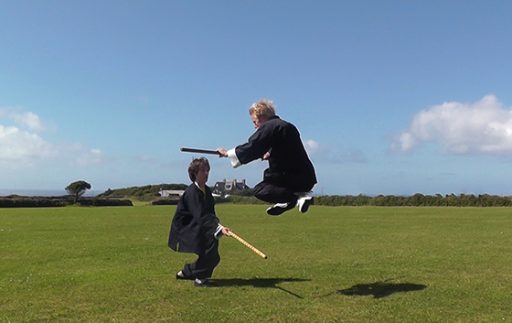
    Whilst many of the styles today emanated from the earliest teachings of Ch’an Buddhism at the Shaolin Temple, our particular style of Feng Shou goes back much earlier in time, in fact, to the very early formation of exercising by the Taoists, and our Taoism unites all of us in the International Wu Shu Association in our aims, ideals, and our physical path together with our spiritual growth.
    We are one within the Taoists arts, and we are one with our Maker.

    From

    The Taoist Art of Feng Shou

    by Chee Soo

  • Traditional Diagnosis

    Traditional Diagnosis

    As the Five Elements are linked to the Yin and Yang, and these in turn are governed by the Tao, it is understandable that curing illness is also linked to the Five Elements. These cures are:

    Firespiritual cure
    WoodCh’ang Ming
    Earthherbal therapy
    Metalacupuncture
    Waterthermogenesis
    Five elements therapies

    The Spiritual Cure

    The spiritual cure comes about by altering your eating and drinking habits so that you become closer to nature, and thereby closer to your own Tao and the Supreme Spirit. In addition, it means becoming more understanding, more conscious, and more aware of the work of the Supreme Spirit that goes on around you, and learning to conform to the infinite laws that he has laid down. It means dedicating your life to helping others along the pathway of their lives, and in turn trying to make them understand as well. It also means that you should say your prayers in thanks for everything that is bestowed upon you, the food that you eat, the clothing that you wear, the car that you own, and every time you safely cross the road, or find a parking space. It is not luck that brings you home safely every evening, but the gift of the Supreme Spirit, so say ‘thank you’ a hundred times a day for all the gifts you receive.

    Chang Ming

    Chang Ming is the Taoists natural eating and drinking system, and it will cure the majority of illnesses. It means eating good wholesome and natural foods, so carefully balanced that sickness is eradicted and ill health becomes a thing of the past. Remember that one of the most simple of all indicators of general sickness is the common cold. If you catch a cold every year, then you are in real trouble, and you have no one to blame but yourself, for you have created the cause that has brought about the symptom.
    The food that you eat and the fluid that you drink must be within the boundaries of the universal laws and the very fine balance of Yin and Yang.

    Herbal Therapy

    Herbal therapy has long been a part of Chinese medical history, as it has also been with every other country in the world. But the Chinese have far exceeded the efforts of other nations in this particular field. With over 30,000 herbs on record they have found the answer to every conceivable illness, and according to the traditional classification, they have also listed them in order of the Yin and Yang tendencies.
    Modern traditional herbal therapeutics have further divided these two groups into a further three sections under each heading, and have recorded them as either vegetable, animal or mineral. Naturally the vegetable section is the largest of the three.

    Acupuncture

    Acupuncture has been practised in China for thousands of years and is the simple insertion of a needle at a specific point or points along an energy channel, or meridian, as it is more commonly known. This will either stimulate or sedate the energy force that flows along that particular channel, which in turn has its links with a specific organ. Over nine different needles used to be available, varying in length and thickness, although in the beginning stone needles were in common use, and it was much later that copper and iron needles were used.

    Thermogenesis

    Thermogenesis is another ancient art of China. It works by combating an inner Yin illness with an external Yang force — applied heat. This Yang heat has two main objectives, either to draw the Yin cause to the surface by attraction, or to penetrate into the body and overcome or destroy the Yin in its own centre. For the best results, the heat is generally applied to the acupuncture points, and in the old days the skin was actually burned and many of the older Chinese still bear scars reminding them of their earlier treatment. Today, however, the skin is only warmed through, and no burning is necessary. There are, however, certain points along the lines of a meridian where heat treatment is absolutely banned or strictly forbidden, although acupuncture may be used.
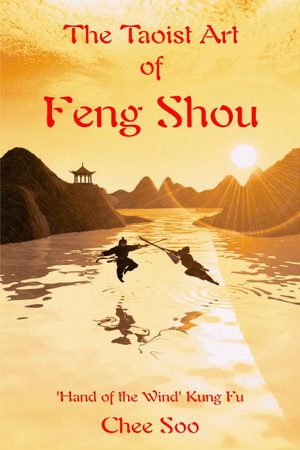
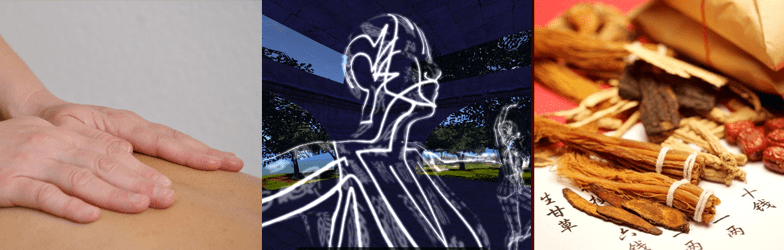
    Diagnosis

    Whilst it is important to know how to effect a cure, it is even more essential to understand the cause, and traditional Chinese doctors are elevated in this particular field, utilizing the ‘five methods of examination’ (Wu Chen Ch’a):

    Using the mouth to ask questions.

    Using the eyes to see the symptoms and the indication of the possible causes.
    Using touch, to feel lumps and to induce muscular reaction by light pressure. In addition touch was used in the art of Pulse Study (Chen No).
    Using the ears to hear the changes of tone in the voice, as well as the percussions of the lungs, or the rumblings and other sounds in the bowel systems of the body.
    Using the nose to smell the odours emanating from the various regions of the body, such as the mouth, sexual organs, anus, under the armpits, etc

    Asking Questions

    Asking questions might seem quite an ordinary thing to do, but it is a very responsible job, and not always that easy to do with shy or reticent patients. However, it is necessary to fully understand the person’s complaint, its development, how long it has gone on for, the person’s eating and drinking habits, any accompanying aches or pains and how long they last, and whether it is painful at a specific time of the day. It is also sometimes useful to know the area of the world that they were born in, also the eating habits of the parents, and whether there are any hereditary tendencies in the family, and if so, how far back in time these inclinations seem to go.
    It is also necessary to enquire about more personal things, such as the colour or smell of the urine, or the motions, regularity of periods and the types of pain that come with them, difficulties in intercourse, and any soreness in or around the other cavities of the body. A delicate approach is of course required for this questioning.
    Naturally there are further difficulties when you have to interview young children, the mentally handicapped, or the deaf or the dumb. They will all have difficulty in explaining their particular illness, the type of pain, even how long they have had it, and as for remembering past symptoms this is almost an impossibility for those in the first two categories, so it will be necessary to obtain as much information as you can from their relatives or even close friends. When attempting to diagnose someone who is unconscious, you will of course have to rely entirely on background information from others.
    All this information will give you the patient’s general medical history so far as it relates, to the complaint, as well as giving you an indication of the person’s eating and drinking habits, which can have a very great influence on health. As you will see, asking questions is a very important part of the process of diagnosis.

    Using the Eyes

    Visual observation diagnosis is very important too, for it can supply extremely useful data on the present health of the person, and likely problems that may crop up in the future. In many cases you can also see if the illness has gone on for a long time. In other instances, you may be able to see the start of an illness, or detect the actual sickness, even though the person concerned does not have any outward symptoms, such as pains, rashes, vomiting, or hot or cold spells. It is quite possible that even the patient himself does not know that he is ill, so you will be able to combat the possible cause of the sickness even before the onset of symptoms.
    Visual diagnosis is more important than many Westerners realize, for it means that the traditional doctor can examine parts of his patient without that person being aware that they are being inspected, or that an assessment of symptoms and the cause of illness has been mentally recorded.
    First of all, the colour and texture of the skin on the face and hands will be immediately visible, and there may be many colours that can be seen, such as red, brown, white, yellow, grey, purple, semi-transparent white, and even green, and all these colours will indicate the general health of the person, and also show the possible cause of it. For instance a yellow skin is an outward sign of jaundice, which in turn indicates that there are problems with the pancreas, and possibly the liver and gall bladder as well. Red shows that the heart is overworking; very dark brown or black is associated with the kidneys; grey shows that the liver is swollen so trouble can be expected; white is generally anaemia; transparency in the skin shows either skin complaints or tuberculosis; and green, which is getting more and more common in the Western world, is cancer.
    The general texture of the skin may be dry, oily or wet, and there may be excessive growth of hair. Dry skin shows skin complaints; oily skin is caused by overeating; wet skin indicates that the person drinks too much fluid, which in turn can affect the kidneys and may have a detrimental effect on the heart; and excessive hair, especially over the organs of the body, will show that a particular organ is under stress and is overworking.
    Look at the fingernails: if there are white spots or flashes then this is a sure sign of excess consumption of sugar, sweets or fruit. There should be no half moons at the at the base of the nail; if they are present they indicate toxins in the bloodstream, and the bigger the half moons, the greater the problem. Long, thin nails are Yin whilst a short, broad nail is Yang. The natural grain of the nail should run from top to bottom. If the grains is deeply rutted or runs deeply across the nail, then it could show that there are bacteria in the intestine, or worms, and that there is a very erratic pattern of eating.
    Now let us have a look at the face, which can supply us with a wealth of information. Vertical lines between the eyebrows indicate a bad liver, which will make the patient temperamental — so watch out. Erratic lines running across the forehead show a split personality, but evenly spaced parallel lines are a sign of excessive fluid consumption, so there could be an effect on the kidneys.
    If the eyebrows are long and thick, this shows vitality, long life and happiness; if they are very thin this show Yin weaknesses; and if there is no eyebrow at all, cancer is indicated. The eyebrow should follow the natural curvature of the eye if you are Yang, but if you are Yin and the eyebrows turn upwards at the ends towards the temples, then it is a positive sign of weaknesses in the system, lack of vital energy, and that you have been eating too much meat for a very long time.
    The eyelashes should be strong and straight but if they curl upwards then the person is Yin and it is a sign of bad health caused through the consumption of too much meat and meat products, and in a woman it shows that her ovaries are deeply contracted, so if she ever has a baby then the child is going to be affected by the same influence.
    The eyes themselves have their own story to tell. Long thin eyes with the iris centralized are a sign of good health. White large round eyes denote susceptibility to colds and flu, for the general health is weak and very delicate. If both eyes turn outwards towards the ears then there is far too much toxin in the body and if the energy of the body is depleted to lower levels in the future, there is always the possibility of cancer showing its effects. On the other hand crossed eyes is a sign of being too Yang and therefore there is a tendency towards high blood pressure. If the white of the eye can be seen not only on both sides of the iris but also above it as well then the person is very Yin. Such people are cruel, will argue on the slightest pretext, and will lose their temper for no apparent reason, therefore being completely unpredictable
    If the white of the eye changes in colour, then this indicates a vanety of Yin illnesses. Yellow is linked with jaundice, and red shows a liver complaint. Grey or blue means that the eyesight is declining, and if the symptom is ignored then blindness will eventually result. Coloured spots on the white of the eye near the ins denote also that there are various body malfunctions, and unless dietary improvements are made soon then the patient can exoect serious internal trouble.
    Bags under the eyes, if they are soft and spongy, signify that there is too much fluid in the body, in which case the kidneys will be overworking, but if the bags have a tendency to be firm or even hard then this is a sure sign of the formation of kidney stones. Always try to look at the edge of the bottom eyelid for this is one place that make-up cannot hide. If it is white then the person is anaemic, and if it is red then there is inflammation due to infection and it has come to the surface as an outward symptom of excessive consumption of meat, sugar and fruit
    Discharge of fluid from the eye generally referred to as mucus, should be slight and transparent, but if it becomes a heavier emission and yellow in colour then this points to excessive intake of dairy products. If a woman has this discolouration and extra discharge in her eyes, then she must expect to have the same density of emission from her vagina.
    Even the shape of the nose will give an indication of the Yin and Yang influences. A long thin nose with small nostrils is Yin and caused simply by too much Yin food such as ice cream imitation fruit drinks, and too many drugs and medicants A fat bulbous nose shows that the person has an enlarged heart and if it is also red in colour, then the blood capillaries are under pressure and this could lead to heart trouble or heart disease. A cleft or indentation in the middle of the nose denotes that the two chambers of the heart are not the same size or that they are not working in harmony with one another, and so there is irregular beating * which is generally called heart murmur.
    What about the mouth? If it is large then this indicates that there is a degeneration in the digestive system and also in the sexual organs. Thin lips or lips of different thickness show that the person is Yin. If the bottom lip is bigger than the top lip then the intestines are in trouble — a very common problem in the West. But if the top lip is swollen then this shows that the stomach is weak. If cuts or cracks appear on the lips then don’t waste time — do something about it as soon as you can, or you are going to have bowel trouble. Also ensure that you change your diet if cysts appear on the lips for it can also indicate that you have a cyst, an ulcer or a tumour in the respective region of your organs, the stomach being represented by the top lip, and the large intestine by the bottom lip.
    The teeth should all be straight, uniform in size and of a standard shape. If they slope inwards this is a sign of being too Yang; if they slope outwards and have gaps between them, this indicates someone who likes to be on the go and cannot be expected to stay at home for very long. Bad teeth, tooth decay, weak teeth or pointed teeth are all Yin complaints created by bad blood or bad saliva, and all are due to very bad eating and drinking habits.
    These are but a few of the many signs of ill health that can be seen on the body, and all that is necessary for diagnosis is a trained eye to recognize the symptons and the ability to know which organ or part of the body is creating the cause. Then one must know how to eradicate the cause, in order to establish good health on a permanent basis.

    Using Touch

    Diagnosis by touch is the most important section of all, for feeling the Pulse’ (K’anmai) or (Ghenmai) is an art that every traditional Chinese doctor learns to do first, for it is only acquired by a very delicate and sensitive touch, and experience can only come over a very long period of time and constant practice. It is said that this art goes back to nearly 3000 BC, and it is just as important today as it ever was for it can indicate immediately any irregularities in the functioning of the twelve organs of the body.
    Modern Western doctors lay the tip of one finger on the radial artery and count the rhythmic pulsation of the heartbeats. The Chinese doctor places three fingers on the radial artery and by a light pressure can understand the condition of three of the Yang organs, and by a deeper and firmer pressure can appreciate the health of three of the Yin organs. By feeling the pulses on the other wrist, in a similar way, he can obtain information on the differences affecting another six organs, which are as follows:

    Left radial artery Light pressureDeep pressure
    Index finger Small IntestineHeart
    Middle fingerGall BladderLiver
    Third fingerUrinary BladderKidneys
    Right radial arteryLight pressureDeep pressure
    Index fingerLarge IntestineLungs
    Middle fingerStomachSpleen
    Third fingerTriple HeaterHeart Controller
    Pulse positions and internal organs

    By feeling the pulses, it is possible to understand the levels of internal energy (Ch’i), and there is a vast range of different fluctuations that pass along the channels or meridians connected with the above-mentioned organs. The traditional doctor will then take the necessary steps to sedate or tonify the organs involved.
    In addition to the twelve pulses mentioned, there are many other points on the body where the pulse can be taken, such as the arms, neck, head and legs, where the arteries rise fairly close to the surface of the skin.
    Touch is also used to feel the strength or weakness, heat or coldness, tension or softness in various parts of the body, and to feel the extent of any lumps or bumps on the surface of the skin or internally, as well as gently feeling the severity of any fractures that have been incurred. So diagnosis through the medium of touch, which is a vast field, is extremely necessary for the full understanding of the human body. Thousands of years of practical experience within China have proved its worth over and over again, and its accuracy amazes Western practitioners.

    Using the Ears

    The next sense to be used in diagnosis is hearing, or the use of the ears, which can be used to detect alterations in the tones of the voice, the pitch of the voice and whether it is high or low, and whether the tone is smooth or rough. It can detect whether air is entering the lungs smoothly, or whether it has an uneven journey.
    The ears can also listen to various internal activities of the body which may be in the form of creaks, clicks or rumblings in the bladder and bowel systems.

    Using the Nose

    Finally, the nose can be used to help or to confirm diagnosis, for the smell emanating from a person’s body through the mouth or armpits, or through the discharge of urine or motions, can indicate the part of the anatomy that is causing the trouble, and will help in the classification of the illness as well.

    The ‘Eight Classifications’

    In addition to these methods of examination, traditional doctors were taught, and are still trained in, the ‘Eight Classifications’ (Pan Fen Lei), which are also closely related to the Yin and Yang:

    1. Yin2. Yang
    3. Internal4. External
    5. Cold6. Hot
    7. Excess8. Deficient
    Eight principles

    By fully understanding the meaning and the depth of each, in conjunction with all the five methods of examination and diagnosis, Chinese traditional doctors were able to amalgamate them all into one definite conclusion. Then, and only then, was the appropriate treatment recommended.

    From

    The Taoist Ways of Healing

    by Chee Soo